
The Importance of a Village: Supporting New Families Through the Early Days
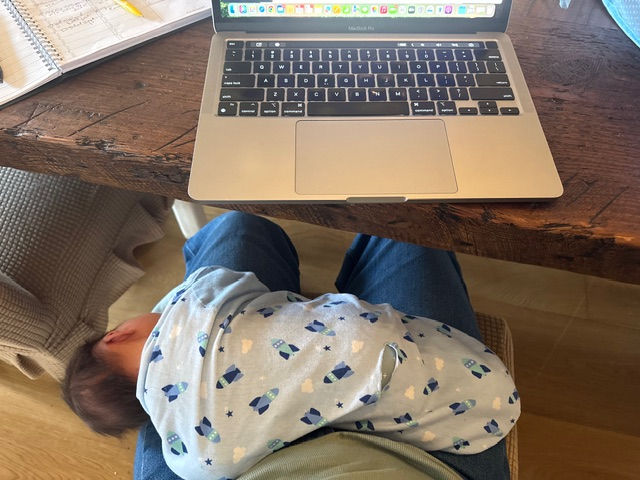
As I sit here watching my 13-day-old nephew while my sister-in-law takes a well-deserved nap, I’m reminded of the essential role that support plays during those early days of new parenthood. Big brother (4 years old) and big sister (2 years old) are both napping, and dad is resting; everyone in the house is getting a break. This moment of quiet is a reminder of how much the little things can make a difference for a family. Sometimes, all it takes is someone to prepare a meal, fold some laundry, or simply offer a helping hand. These small gestures can lift so much weight off new parents' shoulders.
Having the opportunity to be here helping reminds me of my own experience in those first weeks with a newborn: the sleepless nights, the constant nursing sessions, and the hours spent gently holding a fussy or gassy baby. It's a reality many new parents face. As humans, we may have schedules, obligations, and work commitments that pull us in different directions, but our newborns don’t understand these constraints. They only know that they need to be held, loved, and nurtured to feel safe.
In the wild, great apes—gorillas, chimpanzees, orangutans—carry their young for months, even years, providing constant contact. Their newborns are never put down, and this physical closeness is key to their survival. While human life is structured differently, our newborns’ needs haven’t changed. The primitive part of their brain tells them they’re safe when they are held close and nursed. And the need for this connection doesn’t stop at birth; it continues in subtle ways as babies grow and develop.
The Challenges of Navigating the Newborn Stage
Navigating the early days with a newborn can be exhausting, especially for parents with multiple children. Finding enough time to rest while meeting the family's needs can feel impossible. The importance of a strong support system cannot be overstated, yet not every family is fortunate enough to have it. Many parents don’t live near extended family, and grandparents are often still working, making it difficult to have that extra set of hands when you need it most.
This is why I always ask parents about their support network during prenatal breastfeeding appointments. Some families know exactly who they can count on, whether it's grandparents, friends, or neighbors. Other families may have recently relocated and don’t have any family nearby to help. For these families, the postpartum period can be particularly isolating.
Preparing for Postpartum: Building Your Village
Creating a postpartum plan can offer peace of mind for many new parents. Even something as simple as meal prepping in the final trimester can alleviate one of the many stressors families face in those first few weeks. For some, hiring a postpartum doula can be a game-changer, while others are fortunate enough to have a family member stay for an extended period to help. However, not everyone has these resources, and many families find themselves navigating the challenges of newborn care alone.
One of the most important things we can do as caregivers is give ourselves grace during this period. Not every chore will get done, the dishes may pile up, and the laundry might go unwashed. And that’s okay. It will get done eventually. The focus should be on what really matters: taking care of the baby, supporting the parents, and nurturing the family dynamic.
When it comes to breastfeeding, many parents find comfort in knowing that their baby is getting enough to eat. One of my primary roles as a lactation consultant is to educate families so they can feel confident in their feeding plan. If they ever wonder if their baby is getting enough, or if they need guidance on what’s normal and what isn’t, I’m there to provide reassurance. For so many families, knowing that their baby is thriving gives them peace of mind, especially in those first few sleep-deprived weeks.
Building a Network of Support
The families in Baldwin and Mobile Counties are incredibly fortunate to have a vast network of providers who offer education and support for new parents. From pediatricians and counselors to chiropractors, dentists, churches, postpartum groups, and doulas, we have an abundant array of resources available to help families.
I rely heavily on all of these providers, and I’m constantly referring families to the right person or service they might need. For families without close relatives or friends nearby, having access to these resources can make all the difference. It’s about creating a safety net that allows new parents to feel supported in both big and small ways.
At Gulf Coast Lactation, we are honored to be part of this network of care, touching the lives of so many families. If you are a new parent or know someone who is and needs support, please don’t hesitate to reach out. We’re here to connect you with the resources you need to make the early days of parenting a little easier. Whether you need lactation support, a meal, or simply someone to talk to, we’re committed to helping you find the right people to be part of your village.
Remember, you don’t have to navigate this journey alone. Together, we can create a network of care that supports new families through the challenges and joys of early parenthood.


Comments